

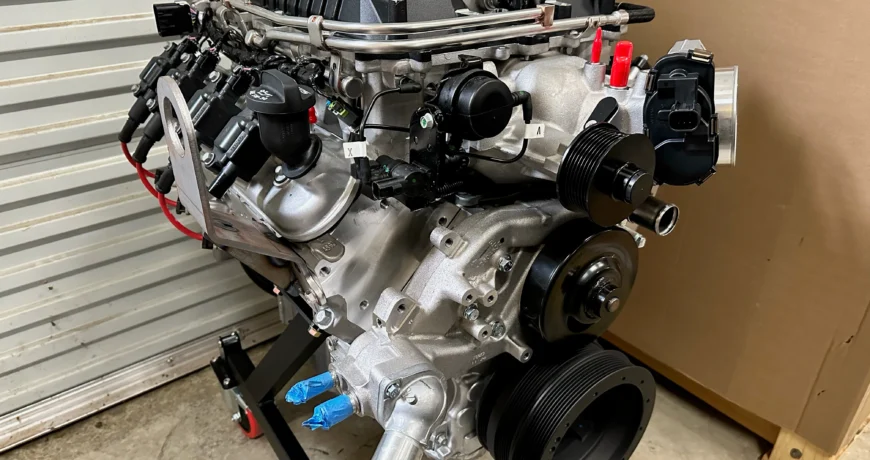
blower engines for sale Leave a comment
Blower Engines for Sale: Ultimate Guide to Buying Supercharged Power
If you’re a performance enthusiast, few upgrades offer the raw power and instant torque of a blower engine. Whether you’re restoring a classic muscle car, modifying a drag racer, or upgrading a modern hot rod, blower engines can significantly enhance performance.
Table of Contents
- Introduction to Blower Engines
- What is a Blower Engine?
- History and Evolution of Blower Engines
- Benefits of Using a Blower Engine
- Types of Blower Engines
- Common Applications of Blower Engines
- Top Brands Offering Blower Engines for Sale
- Buying New vs. Used Blower Engines
- Where to Find Blower Engines for Sale
- Online Marketplaces to Buy Blower Engines
- Factors to Consider Before Buying a Blower Engine
- Installation Tips for Blower Engines
- Maintenance and Longevity of Blower Engines
- Blower Engine Kits: A Budget-Friendly Option
- Performance Upgrades for Blower Engines
- Legal Considerations for Street Use
- Blower Engines for Racing vs. Street Use
- Blower Engines and Fuel Efficiency
- Real-World Customer Reviews
- Frequently Asked Questions (FAQs)
1. Introduction to Blower Engines
If you’re a performance enthusiast, few upgrades offer the raw power and instant torque of a blower engine. Whether you’re restoring a classic muscle car, modifying a drag racer, or upgrading a modern hot rod, blower engines can significantly enhance performance.
With an increasing number of blower engines for sale online, it’s easier than ever to purchase high-performance supercharged engines tailored to your needs.
2. What is a Blower Engine?
A blower engine refers to an internal combustion engine equipped with a supercharger (commonly called a “blower”). The supercharger is mechanically driven by the engine itself, forcing more air into the combustion chamber, thereby increasing horsepower and torque.
This differs from a turbocharged engine, where exhaust gases drive the turbine. Blowers deliver instant boost with minimal lag, making them ideal for applications demanding immediate power.
3. History and Evolution of Blower Engines
Blower engines date back to the early 1900s. One of the first cars to use a supercharged engine was the Mercedes-Benz 6/25/40 HP in 1923. Over time, blower engines became popular in:
- WWII aircraft
- Drag racing in the 1950s
- Muscle cars in the 1960s
- Modern hot rods and street racers
The blower engine’s popularity continues today thanks to advancements in technology, materials, and engineering precision.
4. Benefits of Using a Blower Engine
A. Instant Power Boost
Superchargers provide instant torque, unlike turbochargers which can suffer from lag.
B. Increased Horsepower
A blower engine can increase horsepower by 30–50% or more, depending on the setup.
C. Enhanced Performance
More power means quicker acceleration and higher top-end speed.
D. Engine Sound
Blower engines are known for their aggressive whine and deep exhaust growl.
E. Visual Appeal
A classic 6-71 or 8-71 roots blower poking through the hood makes a strong visual statement.
5. Types of Blower Engines
1. Roots-Type Supercharger
- Positive displacement
- Delivers boost instantly
- Common in classic hot rods
2. Twin-Screw Supercharger
- Also positive displacement
- Higher efficiency than roots
- Often used in modern muscle cars
3. Centrifugal Supercharger
- Uses impeller similar to a turbo
- More linear boost curve
- Compact and efficient
6. Common Applications of Blower Engines
- Drag Racing
- Street Rods
- Classic Muscle Car Restorations
- Off-Road and 4×4 Performance Builds
- Marine Applications (e.g., powerboats)
- Tractor Pulling and Motorsports
7. Top Brands Offering Blower Engines for Sale
1. Chevrolet Performance (GM)
- Offers crate engines with superchargers (e.g., LSX454R, LT4)
2. Ford Performance
- Supercharged 5.2L Predator and 5.0L Coyote engines
3. Mopar (Dodge/Chrysler)
- Hellcrate 6.2L Supercharged HEMI engine
4. Whipple Superchargers
- Known for twin-screw blower kits
5. Edelbrock
- Offers roots and twin-screw supercharged engines
8. Buying New vs. Used Blower Engines
New Blower Engines
- Pros: Warranty, latest technology, reliable
- Cons: More expensive
Used Blower Engines
- Pros: Cheaper, great for budget builds
- Cons: Potential wear, no warranty, unknown history
Certified Remanufactured Engines
- Balanced option with warranties and cost savings
9. Where to Find Blower Engines for Sale
You can buy blower engines from:
- Authorized dealers
- Engine builders and tuners
- Auto parts stores
- Online platforms
Look for reputable sellers with strong customer reviews and technical support.
10. Online Marketplaces to Buy Blower Engines
1. eBay Motors
Thousands of new and used blower engines
2. Summit Racing
Large inventory of performance engines
3. JEGS High Performance
Offers full engine assemblies and supercharger kits
4. Facebook Marketplace
Great for local finds and used deals
5. Craigslist
Good deals if you’re cautious and inspect the engine
11. Factors to Consider Before Buying a Blower Engine
- Horsepower and Torque Ratings
- Application Purpose (Street, Race, Off-Road)
- Fuel Type (Pump Gas, E85, Race Fuel)
- Budget
- Dimensions and Mounting Compatibility
- Cooling System Requirements
- Transmission Compatibility
- Legal Emissions Compliance
12. Installation Tips for Blower Engines
- Use correct fuel delivery system (e.g., high-flow injectors)
- Upgrade your cooling system (intercoolers, radiators)
- Match the blower with the correct camshaft profile
- Reinforce the bottom end of the engine (for high boost)
- Ensure proper belt alignment and tension
Consider professional installation if you’re not mechanically experienced.
13. Maintenance and Longevity of Blower Engines
Regular Maintenance Includes:
- Checking and replacing supercharger oil
- Monitoring boost levels
- Using high-octane fuel
- Checking belt condition
- Frequent tuning and diagnostics
A properly maintained blower engine can last 100,000+ miles.
14. Blower Engine Kits: A Budget-Friendly Option
Instead of buying a full engine, consider a blower kit to bolt onto your existing powerplant.
Top Kit Brands:
- ProCharger
- Whipple
- Magnuson
- Vortech
These kits include the blower, intake manifold, pulleys, and sometimes fuel system upgrades.
15. Performance Upgrades for Blower Engines
- Pulley swaps for more boost
- Aftermarket cams designed for supercharged setups
- Headers and exhaust systems
- Cold air intakes
- ECU tuning
- Methanol injection systems
16. Legal Considerations for Street Use
In regions like California (CARB), emissions laws may restrict certain blower engines. Always verify:
- CARB certification
- Noise regulations
- Vehicle inspection laws
Look for “50-state legal” blower kits if planning a street build.
17. Blower Engines for Racing vs. Street Use
Racing Engines
- Higher boost
- Often use race fuels
- Require frequent maintenance
- May not last as long
Street Engines
- Lower boost for reliability
- Optimized for pump gas
- Balanced power and drivability
18. Blower Engines and Fuel Efficiency
Fuel economy often decreases due to:
- Higher air/fuel consumption
- Heavier throttle usage
- Engine tuning optimized for power over efficiency
However, modern ECUs and careful tuning can improve part-throttle MPG.
19. Real-World Customer Reviews
John M. – Texas
“Bought a Whipple-supercharged LS3 crate engine for my ’69 Camaro. Fit perfectly, insane torque, and worth every penny!”
Amanda R. – Florida
“I picked up a used Hellcrate motor off Facebook Marketplace. Needed a rebuild, but it was a steal. Runs like new!”
Tyler B. – California
“Got a ProCharger kit from Summit Racing. Easy install and street legal in CA!”
20. Frequently Asked Questions (FAQs)
Q1: What’s the difference between a blower and a turbocharger?
A: A blower (supercharger) is belt-driven and provides instant boost, while a turbocharger is exhaust-driven and may suffer from lag.
Q2: Are blower engines street legal?
A: Yes, but it depends on your region’s emissions laws. Look for CARB-certified or 50-state legal kits for California and other strict states.
Q3: How much horsepower can a blower add?
A: Typically 30–50%, or up to 300+ HP with aggressive setups.
Q4: What fuel should I use with a blower engine?
A: Premium unleaded (91–93 octane) is standard. High-performance setups may require E85 or race fuel.
Q5: Can I install a blower myself?
A: Yes, with mechanical experience and proper tools. Otherwise, hire a professional.
Q6: How much do blower engines cost?
A: $5,000 to $30,000+ depending on type, brand, and whether new or used.
Q7: What’s the best blower engine for drag racing?
A: Roots-style 8-71 on a built big block V8 is popular in drag racing.
Q8: Do blower engines require special maintenance?
A: Yes—frequent oil checks, boost monitoring, and proper tuning are crucial.
Q9: Can I add a blower to a stock engine?
A: It’s possible, but upgrades to internals (like pistons and rods) are recommended for reliability.
Q10: What’s the lifespan of a blower engine?
A: With proper care, 75,000–150,000 miles depending on use and boost level.
