

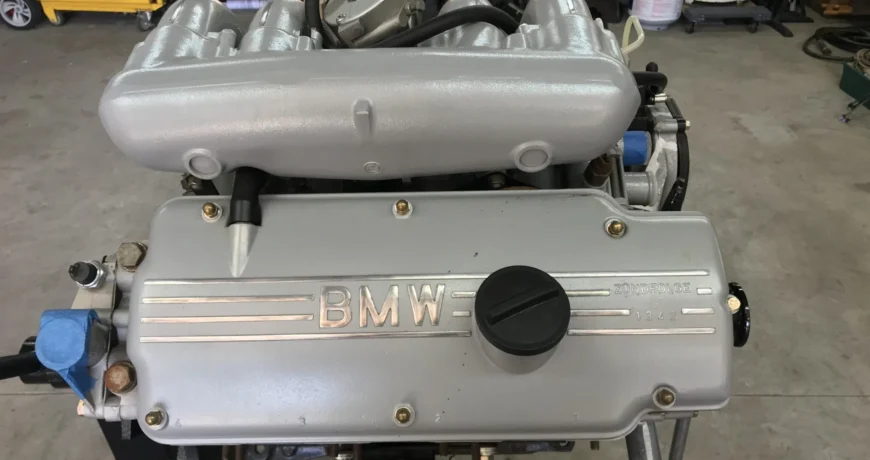
bmw m10 engine for sale Leave a comment
BMW M10 Engine for Sale – The Ultimate Buyer’s Guide
The BMW M10 engine is a cornerstone of automotive history, known for its durability, performance potential, and engineering brilliance. If you’re searching for a BMW M10 engine for sale, whether for a restoration project, racing build, or collector’s car, this guide will walk you through everything you need to know.
Table of Contents
- Introduction
- History of the BMW M10 Engine
- Technical Specifications
- Variants of the M10 Engine
- Why the BMW M10 Engine Is Still in Demand
- Where to Find BMW M10 Engines for Sale
- What to Look for When Buying a Used M10 Engine
- Rebuilding and Restoring an M10 Engine
- M10 Engine Swaps and Performance Upgrades
- BMW Models That Used the M10 Engine
- Cost of BMW M10 Engines
- Tips for Buying Online Safely
- Conclusion
- FAQs
1. Introduction
The BMW M10 engine is a cornerstone of automotive history, known for its durability, performance potential, and engineering brilliance. If you’re searching for a BMW M10 engine for sale, whether for a restoration project, racing build, or collector’s car, this guide will walk you through everything you need to know.
The resurgence in popularity of classic BMW models, especially from the 1960s to 1980s, has brought renewed interest in the M10 engine. It’s more than just a motor—it’s a piece of Bavarian engineering history.
2. History of the BMW M10 Engine
The BMW M10 engine was introduced in 1962 and remained in production until 1988. Designed by engineer Baron Alex von Falkenhausen, it was initially meant to be a modest 1.5-liter engine. However, due to its robustness and potential for tuning, it evolved into various iterations ranging up to 2.0 liters and even beyond in motorsport applications.
This engine powered everything from the daily commuter BMW 1500 to the turbocharged BMW 2002 Turbo and the legendary Formula 1 cars of the 1980s.
Key Milestones:
- 1962: Introduced in the BMW 1500
- 1973: First production turbocharged engine (2002 Turbo)
- 1983: Powered Nelson Piquet’s Formula One World Championship car (as the M12/13 variant)
3. Technical Specifications
Below are the typical specs for different M10 engine variants.
| Feature | Specification |
|---|---|
| Engine Type | Inline-4 (SOHC) |
| Displacement Range | 1.5L to 2.0L |
| Bore x Stroke | 82 mm × 71 mm to 89 mm × 80 mm |
| Fuel System | Carbureted or Mechanical Injection |
| Valvetrain | SOHC, 2 valves per cylinder |
| Compression Ratio | 8.0:1 to 10.0:1 |
| Power Output | 75 hp – 170 hp (stock variants) |
| Turbocharged Version | Up to 300+ hp in motorsport builds |
4. Variants of the M10 Engine
The M10 went through numerous iterations. Some of the most popular include:
- M115 (1.5L): Found in early 1500 and 1600 models
- M116 (1.6L): 1600-2 and 1602 models
- M118 (1.8L): Used in the BMW 1800
- M10B18: Modern 1.8L version found in E21 318i
- M10B20: The 2.0L version, popular for its power and tuning potential
- M31: Turbocharged version used in the 2002 Turbo
- M12/13: Legendary F1 turbo engine producing over 1000 hp
5. Why the BMW M10 Engine Is Still in Demand
Despite being out of production for decades, the M10 engine remains desirable for several reasons:
- Reliability: Known to last hundreds of thousands of kilometers with proper maintenance.
- Tuning Potential: Widely used in motorsport, tuners can extract massive power from it.
- Legacy: It laid the foundation for later BMW engines like the M20 and even the E30 M3’s S14.
- Collectibility: Increasing value of classic BMWs increases demand for original-spec engines.
6. Where to Find BMW M10 Engines for Sale
If you’re on the hunt for a BMW M10 engine for sale, these are some of the best sources:
Online Marketplaces
- eBay Motors – Listings for both used and rebuilt M10 engines.
- Craigslist – Great for local deals (USA-specific).
- Facebook Marketplace – Growing platform for engine swaps and restorations.
- Bring a Trailer – Occasional listings for cars with M10 swaps.
BMW Forums and Communities
- BMW2002faq.com – Active community of 2002 enthusiasts.
- R3VLimited.com – For E30 builds; some use M10 engines.
- Bimmerforums – General BMW classifieds.
Specialized BMW Engine Dealers
- Metric Mechanic (USA)
- ClassicBMWParts.co.uk (UK)
- WallothNesch.com (Europe)
- Schmiedmann (Global)
Local Junkyards / Auto Recyclers
Some older BMWs still show up in pick-n-pull yards. If you’re lucky, you might find a running M10 engine at a great price.
7. What to Look for When Buying a Used M10 Engine
Purchasing a used engine requires due diligence. Here’s what to inspect:
1. Engine Block Condition
- Check for cracks, rust, and corrosion.
- Verify engine number matches the desired variant.
2. Compression Test Results
- Healthy M10s should have compression between 150-180 psi across all cylinders.
3. Oil Leaks
- Common leak areas: front/rear main seals, valve cover gasket, oil pan.
4. Head Gasket
- Look for signs of coolant in the oil or white smoke from exhaust.
5. Mileage
- Lower mileage is better, but condition matters more than numbers alone.
6. Engine History
- Was it rebuilt? Who rebuilt it? Are receipts available?
8. Rebuilding and Restoring an M10 Engine
Rebuilding an M10 engine is a rewarding experience. It’s relatively simple mechanically but allows room for performance upgrades.
Common Rebuild Tasks
- New pistons/rings
- Valve job
- Timing chain replacement
- Crankshaft polishing
- New gaskets and seals
Performance Upgrades
- High-compression pistons
- Aftermarket camshaft
- Dual side-draft Weber carbs or EFI
- Lightened flywheel
- Port and polish
Many shops offer crate M10 engines rebuilt to OEM or custom specs for racing.
9. M10 Engine Swaps and Performance Upgrades
The M10 is a favorite among enthusiasts for engine swaps due to its size and tuning potential.
Popular Swaps
- Into BMW E21 – Lightweight platform
- Into BMW 2002 – Original equipment
- Into Kit Cars / Race Cars – Compact, powerful, and simple
Tuning
- Turbocharging (stock internals can handle moderate boost)
- Megasquirt or standalone ECU
- ITBs (Individual Throttle Bodies)
- Lightweight internals for high-RPM builds
10. BMW Models That Used the M10 Engine
The M10 powered a wide array of BMW models:
| Model | Years | Engine Variant |
|---|---|---|
| BMW 1500 | 1962–1964 | M115 1.5L |
| BMW 1600 | 1964–1975 | M116 1.6L |
| BMW 1800 | 1963–1971 | M118 1.8L |
| BMW 2002 | 1968–1976 | M10B20 |
| BMW E21 3 Series | 1975–1983 | M10B18, B20 |
| BMW E30 316/318 | 1982–1988 | M10B18 |
| Formula 1 Cars | 1980s | M12/13 |
11. Cost of BMW M10 Engines
Prices vary depending on condition, location, and whether the engine is rebuilt or original.
| Engine Condition | Price Range (USD) |
|---|---|
| Used (As-Is) | $400 – $1,200 |
| Running Used Engine | $1,000 – $2,000 |
| Rebuilt Engine | $3,000 – $6,000 |
| Performance Build | $5,000 – $10,000+ |
| F1 M12/13 (Rare) | $50,000+ (if found) |
Shipping costs can add significantly depending on your location and crate size.
12. Tips for Buying Online Safely
- Always request detailed photos and videos of the engine running.
- Verify seller ratings (on platforms like eBay).
- Ask for compression test results or offer to pay for one.
- Use escrow services or PayPal Goods & Services for protection.
