

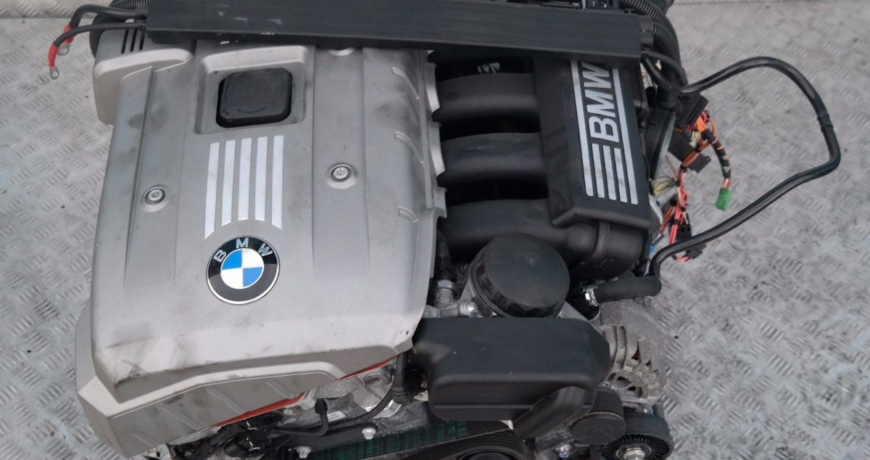
bmw n52 engine for sale Leave a comment
BMW N52 Engine for Sale: Complete Guide, Specs, and Buying Tips
The BMW N52 engine is one of the most celebrated inline-six engines produced by the German automaker. Introduced in 2004, the N52 engine was part of BMW’s naturally aspirated engine family and served as a successor to the M54 engine. It is best known for its lightweight design, innovative features, and smooth power delivery.
Table of Contents
- Introduction to the BMW N52 Engine
- BMW N52 Engine Specifications
- Common BMW N52 Applications and Models
- Performance and Reliability of the N52 Engine
- N52 vs. N54 vs. N55 Engines: Key Differences
- Benefits of Buying a Used BMW N52 Engine
- Where to Find a BMW N52 Engine for Sale
- What to Check Before Buying a Used N52 Engine
- Cost of BMW N52 Engines (Used and Rebuilt)
- Installation Tips and Considerations
- Maintenance Guide for N52 Engines
- Aftermarket Upgrades for N52 Engines
- N52 Engine Troubleshooting Tips
- How to Spot a Reputable Engine Seller
- Environmental Benefits of Buying Used Engines
- Final Verdict: Should You Buy an N52 Engine?
- Frequently Asked Questions (FAQs)
1. Introduction to the BMW N52 Engine
The BMW N52 engine is one of the most celebrated inline-six engines produced by the German automaker. Introduced in 2004, the N52 engine was part of BMW’s naturally aspirated engine family and served as a successor to the M54 engine. It is best known for its lightweight design, innovative features, and smooth power delivery.
If you’re looking for a BMW N52 engine for sale, this comprehensive guide will help you understand everything you need to know—from specs and performance to where to buy and how to install.
2. BMW N52 Engine Specifications
| Specification | Detail |
|---|---|
| Engine Code | N52B25 / N52B30 |
| Engine Type | Inline-6, Naturally Aspirated |
| Displacement | 2.5L (2497cc) / 3.0L (2996cc) |
| Bore x Stroke | 85mm x 88mm |
| Compression Ratio | 10.7:1 – 11.0:1 |
| Valvetrain | DOHC with Valvetronic |
| Max Power (hp) | 174–268 hp (varies by model) |
| Max Torque (Nm) | 230–320 Nm |
| Fuel System | Sequential Multi-Port Injection |
| Fuel Type | Premium Unleaded Gasoline |
| Cooling System | Water-cooled |
3. Common BMW N52 Applications and Models
The BMW N52 was widely used across a variety of models between 2004 and 2015. Below are some popular vehicles that feature the N52 engine:
- BMW E90/E91/E92/E93 3-Series
- 325i, 328i, 330i (2005–2011)
- BMW E60/E61 5-Series
- 525i, 528i, 530i (2005–2010)
- BMW E83 X3
- 2.5si, 3.0si (2006–2010)
- BMW E70 X5
- X5 3.0si (2007–2010)
- BMW E85/E86 Z4
- Z4 2.5si, 3.0si (2005–2008)
Knowing your exact vehicle model and production year is crucial when searching for a compatible N52 engine.
4. Performance and Reliability of the N52 Engine
The N52 was built using a magnesium-aluminum composite, making it lighter than its predecessor and more fuel-efficient. BMW integrated Valvetronic (variable valve lift) and VANOS (variable camshaft timing), which provided:
- Smoother power delivery
- Better throttle response
- Enhanced fuel economy
Reliability:
The N52 is considered reliable and long-lasting, often surpassing 200,000 miles with proper care. However, like any engine, it has some known issues.
Common Issues:
- Valve cover gasket leaks
- Water pump failure (electric pump)
- Oil filter housing gasket leak
- DISA valve wear
5. N52 vs. N54 vs. N55 Engines: Key Differences
| Feature | N52 (NA) | N54 (Turbocharged) | N55 (Single Twin-Scroll Turbo) |
|---|---|---|---|
| Aspiration | Naturally Aspirated | Twin Turbocharged | Single Twin-Scroll Turbo |
| Fuel System | Port Injection | Direct Injection | Direct Injection |
| Horsepower | 174–268 hp | 300 hp+ | 300 hp |
| Torque | 230–320 Nm | 400 Nm+ | 400 Nm |
| Complexity | Moderate | High (more failure points) | High (slightly improved) |
If you’re looking for a balance between performance, longevity, and affordability, the N52 remains a solid choice.
6. Benefits of Buying a Used BMW N52 Engine
- Cost Savings: A used engine can be significantly cheaper than a brand-new one.
- Availability: Widely available due to long production run.
- OEM Quality: Original BMW parts and engineering.
- Eco-Friendly: Reusing engines reduces waste and energy consumption.
- Plug-and-Play Compatibility: Easier to swap into vehicles originally fitted with N52 engines.
7. Where to Find a BMW N52 Engine for Sale
Top Sources:
- Online Retailers:
- eBay Motors
- Car-Part.com
- LKQ Online
- JDM Engine Depot
- Bavarian Auto Recycling
- Local Junkyards & Salvage Yards:
Often carry engines from totaled or wrecked BMWs. - BMW Specialist Shops:
These may offer rebuilt or performance-enhanced N52 engines. - Facebook Marketplace / Craigslist:
Peer-to-peer sales can yield good deals, but vet the seller.
8. What to Check Before Buying a Used N52 Engine
Checklist:
- VIN Compatibility: Ensure engine is compatible with your car.
- Mileage: Prefer engines with less than 100,000 miles.
- Compression Test Results
- Oil and Coolant Condition
- Warranty Availability
- Return Policy
- Visual Inspection: Look for leaks, corrosion, or damage.
9. Cost of BMW N52 Engines (Used and Rebuilt)
| Engine Type | Average Cost (USD) |
|---|---|
| Used (Low Mileage) | $1,000 – $2,500 |
| Rebuilt Engine | $2,500 – $4,500 |
| Performance/Tuned | $3,000 – $6,000 |
Additional costs include shipping ($200–$500) and installation labor ($800–$1,500).
10. Installation Tips and Considerations
- Hire a Certified BMW Technician
- Replace key components during install:
- Water pump
- Thermostat
- Oil filter housing gasket
- Serpentine belts
- Update the ECU if required
- Ensure proper torque specs and coding (if applicable)
11. Maintenance Guide for N52 Engines
Suggested Intervals:
| Component | Replacement Interval |
|---|---|
| Oil and Filter | Every 7,500 – 10,000 miles |
| Spark Plugs | Every 60,000 miles |
| Water Pump/Thermostat | Every 80,000 – 100,000 miles |
| Valve Cover Gasket | Inspect at 80,000+ miles |
| Coolant Flush | Every 2 years |
Use Only BMW LL-01 Approved Oil
e.g., Mobil 1 0W-40, Castrol EDGE 0W-40
12. Aftermarket Upgrades for N52 Engines
Although not as tunable as turbocharged engines, the N52 still allows for solid upgrades:
- Cold Air Intake
- Performance Exhaust
- ECU Tune
- Upgraded DISA Valve
- Oil Catch Can
- Lightweight Pulley Kits
Expect modest gains (10–20 hp), but improved throttle response and sound.
13. N52 Engine Troubleshooting Tips
| Symptom | Possible Cause |
|---|---|
| Rough Idle | Vacuum leaks, VANOS solenoids |
| Overheating | Water pump failure, air in system |
| Oil Smell in Cabin | Valve cover gasket leak |
| Power Loss | DISA valve, MAF sensor, ignition coils |
Use BMW INPA / ISTA+ diagnostics tools for advanced troubleshooting.
14. How to Spot a Reputable Engine Seller
- Check Reviews and Ratings
- Ask for Engine Serial Number
- Request Detailed Photos and History
- Ask About Warranty (Minimum 30 Days)
- Get a Written Invoice or Receipt
Avoid sellers unwilling to provide documentation or answer technical questions.
15. Environmental Benefits of Buying Used Engines
Buying a used or rebuilt engine helps:
- Reduce carbon footprint
- Prevent usable materials from entering landfills
- Minimize the demand for new manufacturing (reducing industrial emissions)
Eco Tip: Choose a seller that adheres to EPA recycling standards.
16. Final Verdict: Should You Buy an N52 Engine?
The BMW N52 engine strikes a great balance between performance, reliability, and affordability. Whether you’re restoring a beloved 3-Series or replacing a failed engine, opting for a BMW N52 engine for sale can be a smart move—especially if sourced from a reliable seller.
Just remember to check mileage, inspect the engine, and work with certified mechanics to ensure longevity.
17. Frequently Asked Questions (FAQs)
Q1: Is the N52 engine reliable?
Yes, the N52 is one of BMW’s most reliable inline-6 engines when properly maintained.
Q2: How much horsepower does the N52 have?
It ranges from 174 to 268 horsepower, depending on the specific version and vehicle.
Q3: Can I turbocharge an N52 engine?
You can, but it’s not ideal. The N52 wasn’t designed for forced induction. Better to consider an N54 or N55 for turbo builds.
Q4: What’s the average lifespan of the N52 engine?
With good care, the N52 can last 200,000–250,000 miles.
Q5: What oil does the N52 engine use?
BMW recommends LL-01 certified oils, such as Mobil 1 0W-40 or Castrol EDGE 0W-40.
Q6: Is it worth rebuilding an N52 engine?
Yes, especially if you love your car and want to ensure longevity. A rebuild can restore performance and reliability.
Q7: Can I install the N52 engine myself?
If you have mechanical expertise, yes. However, professional installation is highly recommended for coding and alignment.
Q8: How do I know if the N52 engine fits my car?
Match the engine code, year, and model. Use your VIN for accurate compatibility.
Q9: What are DISA valves in the N52 engine?
DISA (Differentiated Intake System Adjustment) valves optimize airflow for performance and efficiency. They often wear out over time.
Q10: What’s the best place to buy an N52 engine?
Trusted online retailers like Car-Part.com, eBay, LKQ, and BMW dismantlers are excellent starting points.
