

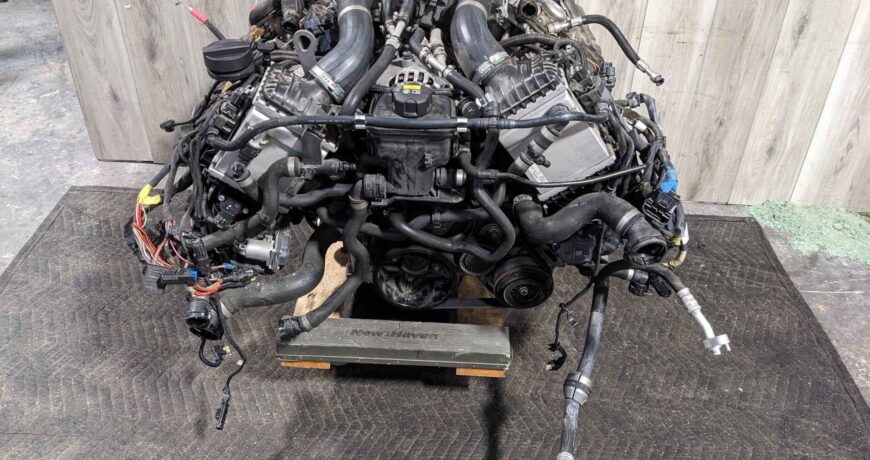
bmw n63 engine for sale Leave a comment
BMW N63 Engine for Sale – Complete Buyer’s Guide.
The BMW N63 engine is a powerful and technologically advanced twin-turbocharged V8 engine introduced by BMW in 2008. Designed to replace the aging naturally aspirated V8s, it brought direct fuel injection, twin-turbocharging, and an innovative “hot-vee” layout to BMW’s lineup.
Table of Contents
- Introduction to the BMW N63 Engine
- History and Development of the N63
- N63 Engine Specifications
- Common BMW Models with the N63 Engine
- Why Buy a BMW N63 Engine?
- Common Issues and Fixes
- N63 vs N54 vs N55: Engine Comparison
- Where to Buy BMW N63 Engines for Sale
- Cost of a BMW N63 Engine
- Rebuilt vs Used N63 Engine
- What to Look for When Buying a Used N63
- Warranty and Return Policies
- Installation and Compatibility Tips
- Performance Upgrades for the N63
- Maintaining the BMW N63 Engine
- Buyer’s Checklist
- Frequently Asked Questions (FAQs)
- Conclusion
1. Introduction to the BMW N63 Engine
The BMW N63 engine is a powerful and technologically advanced twin-turbocharged V8 engine introduced by BMW in 2008. Designed to replace the aging naturally aspirated V8s, it brought direct fuel injection, twin-turbocharging, and an innovative “hot-vee” layout to BMW’s lineup.
If you’re searching for a BMW N63 engine for sale, this comprehensive guide will help you understand what you’re buying, how to identify the best options, and how to ensure long-term performance from this complex yet exciting engine.
2. History and Development of the N63
The N63 debuted in 2008 in the BMW 750i and 750Li (F01/F02) and later appeared in various 5, 6, 7, and 8 Series models as well as several high-performance SUVs. It was BMW’s first production engine to use a hot-vee configuration, where the turbochargers are located between the cylinder banks for better throttle response and compact packaging.
N63 Engine Generations:
- N63B44O0 (2008–2013)
- N63TU (2013–2016)
- N63TU2 (2016–2018)
- N63TU3 (2018–Present)
Each generation brought reliability and performance improvements.
3. N63 Engine Specifications
| Specification | Detail |
|---|---|
| Engine Code | N63 |
| Configuration | V8 Twin-Turbocharged |
| Displacement | 4.4 liters |
| Fuel System | Direct Injection |
| Horsepower | 400–523 hp (varies by version) |
| Torque | 450–553 lb-ft |
| Turbochargers | Twin-scroll turbochargers |
| Valvetrain | DOHC with VANOS and Valvetronic |
| Compression Ratio | 10.0:1 (approximate) |
| Redline | 6,500–7,000 rpm |
4. Common BMW Models with the N63 Engine
Here are some popular BMWs powered by the N63:
- BMW 550i (F10, G30)
- BMW 650i (F12/F13)
- BMW 750i/750Li (F01/F02, G11)
- BMW X5 xDrive50i (E70, F15)
- BMW X6 xDrive50i (E71, F16)
- BMW 850i (G15)
- BMW X7 xDrive50i
- BMW M550i xDrive
5. Why Buy a BMW N63 Engine?
- Exceptional Performance: With power output north of 500 hp in newer versions, it delivers sports car performance in a luxury package.
- Advanced Engineering: Featuring cutting-edge turbo technology and a compact layout.
- Tuning Potential: The N63 responds well to tuning and upgrades.
- Luxury Performance: Pairs well with BMW’s high-end features and comfort.
6. Common Issues and Fixes
Though powerful, the early N63 engines were notorious for reliability issues. BMW even launched the “N63 Customer Care Package” to address these concerns.
Common Problems:
- Valve stem seal leaks
- Oil consumption
- Timing chain stretch
- Fuel injector failures
- Turbo oil leaks
- Coolant system failures
Fixes:
- Later versions (N63TU2 and TU3) resolved most issues.
- Always buy from reputable sellers who offer tested or rebuilt units.
7. N63 vs N54 vs N55: Engine Comparison
| Feature | N63 (V8 TT) | N54 (I6 TT) | N55 (I6 Single TT) |
|---|---|---|---|
| Displacement | 4.4L | 3.0L | 3.0L |
| Turbochargers | Twin | Twin | Single (Twin-scroll) |
| Layout | V8 | Inline-6 | Inline-6 |
| Power Output | 400–523 hp | 300–340 hp | 300–335 hp |
| Fuel Economy | Lower | Medium | Higher |
| Maintenance | Expensive | Moderate | More reliable |
8. Where to Buy BMW N63 Engines for Sale
Here are trusted platforms to find a BMW N63 engine for sale:
Online Marketplaces:
- eBay Motors
- Car-Part.com
- LKQ Online
- Automobile Engine Rebuilders
- Facebook Marketplace
BMW-Specific Dealers:
- BMW Parts Pros
- BimmerWorld
- FCP Euro
- Turner Motorsport
Local Junkyards or Recyclers:
- Often cheaper, but ensure quality checks are performed.
9. Cost of a BMW N63 Engine
| Engine Type | Price Range (USD) |
|---|---|
| Used | $3,000–$6,500 |
| Rebuilt | $5,000–$8,500 |
| Remanufactured | $6,500–$10,000 |
| Performance Upgraded | $8,000–$12,000 |
Installation and labor can add an extra $2,000–$5,000 depending on your location and technician.
10. Rebuilt vs Used N63 Engine
Used Engine:
Pros:
- Cheaper upfront
- Quick availability
Cons:
- Higher risk of hidden issues
- Limited warranty
Rebuilt Engine:
Pros:
- Reconditioned with new parts
- Often comes with warranty
- Better long-term reliability
Cons:
- Higher initial cost
- Longer lead time
Recommendation: Always prefer a rebuilt engine if you’re keeping the car long-term.
11. What to Look for When Buying a Used N63
- Mileage: Prefer engines with less than 80,000 miles.
- Service History: Ask for oil change intervals, recalls, and repairs.
- Compression Test: Ensure compression is even across cylinders.
- VIN Matching: Confirm engine compatibility with your model.
- Turbo Condition: Inspect for shaft play and oil leaks.
12. Warranty and Return Policies
Before you commit, check:
- Length of warranty: Minimum 30–90 days for used; 1 year or more for rebuilt.
- Coverage: Parts only or labor included?
- Return Window: Some sellers charge a restocking fee.
- Documentation: Get everything in writing.
13. Installation and Compatibility Tips
- Always match the engine code: N63B44O0 vs N63TU etc.
- ECU/Software Updates: May be needed after installation.
- Use New Gaskets & Fluids: Don’t reuse old components.
- Professional Installation Recommended.
14. Performance Upgrades for the N63
Want to push more power? Consider these upgrades:
- ECU Tuning (JB4, Bootmod3)
- Upgraded Turbos (Pure Stage 2)
- Downpipes & Exhaust
- Cold Air Intakes
- Meth Injection
- Intercooler Upgrades
- Bigger Fuel Injectors
With proper tuning, an N63 can push 600–700+ hp reliably.
15. Maintaining the BMW N63 Engine
Maintenance Schedule:
- Oil Changes: Every 5,000–6,000 miles (use BMW LL-01 oil)
- Coolant Flush: Every 2 years
- Spark Plugs: Every 30,000–40,000 miles
- Fuel Injectors: Inspect every 60,000 miles
- Turbo Inspection: Annually
Tips:
- Don’t skip services
- Always use OEM parts
- Monitor oil consumption
16. Buyer’s Checklist
✅ Confirm engine code and compatibility
✅ Ask for service history and compression test
✅ Understand warranty terms
✅ Get installation quote before purchase
✅ Consider ECU and sensor compatibility
✅ Check for Customer Care Package documentation (if applicable)
17. Frequently Asked Questions (FAQs)
Q1: Is the BMW N63 engine reliable?
A: Early versions had issues, but newer N63TU engines are much more reliable when properly maintained.
Q2: What is the best N63 engine version?
A: The N63TU3 (2018+) found in newer M550i and X5 models is the most refined and reliable.
Q3: Can I install an N63 in a car that didn’t come with it originally?
A: Technically possible, but requires custom mounts, wiring, and ECU tuning—not recommended for beginners.
Q4: How long does an N63 engine last?
A: With regular maintenance, expect 150,000–200,000 miles.
Q5: Should I buy a used or rebuilt N63 engine?
A: Rebuilt is safer for long-term use due to replaced worn parts and warranties.
Q6: How much does it cost to install a BMW N63 engine?
A: Between $2,000–$5,000 depending on the shop and region.
Q7: Are there any tuning restrictions?
A: Tuning may void warranties, and emissions compliance varies by region.
Q8: Can I do the engine swap myself?
A: It’s not recommended unless you’re an experienced mechanic with BMW-specific tools.
