

Honda b16a engine for sale Leave a comment
Quick outline (what you’ll find)
- What the B16A is and why it’s sought-after
- B16A specifications and common variants
- How to search for a Honda B16A engine for sale (keywords, places, tips)
- Realistic price ranges and what affects cost
- Inspecting and verifying a used B16A before purchase
- Shipping, import, and legal considerations
- Swap basics — what to expect installing a B16A
- Maintenance, lifespan, and running costs
- Tuning, performance upgrades, and compatibility
- Common issues and how to fix them
- SEO-friendly product listings tips if you’re selling
- Frequently asked questions (FAQ)
- Final checklist & recommended next steps
1. What is the Honda B16A and why buyers search “Honda B16A engine for sale”
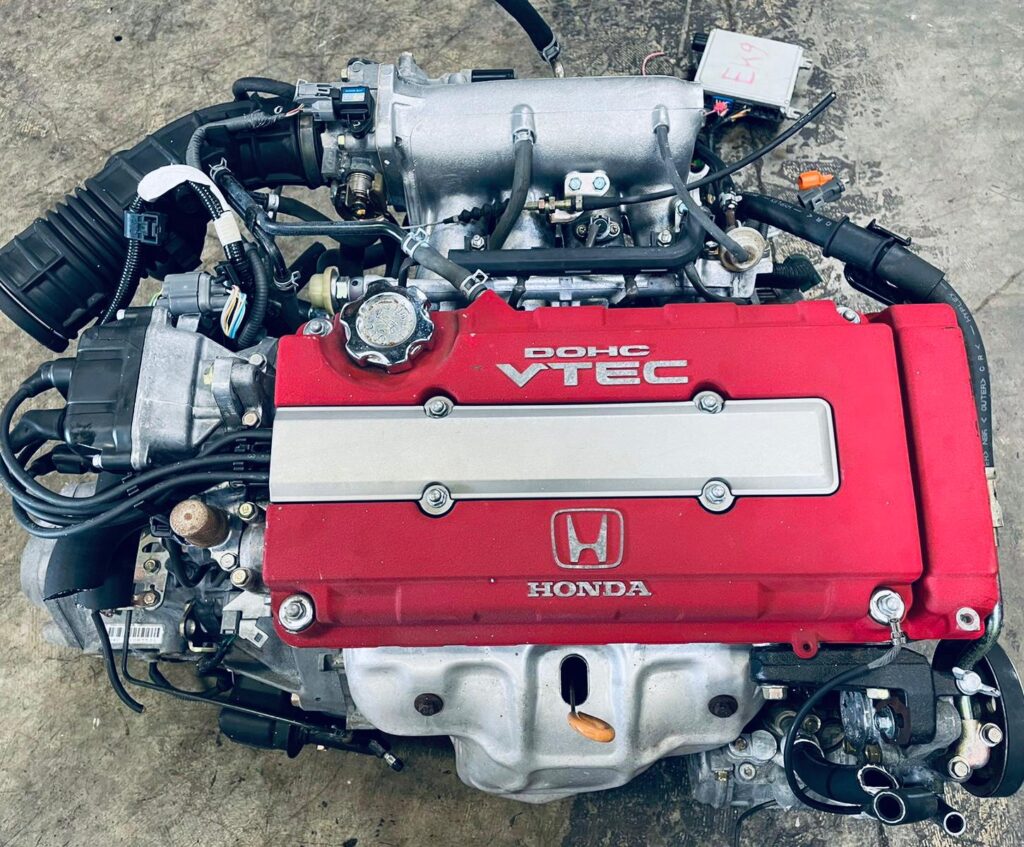
The Honda B16A is a member of Honda’s famous B-series of DOHC, 16-valve inline-4 engines. It’s widely known for its high-revving nature and early implementation of Honda’s VTEC variable valve timing on many versions. Enthusiasts love the B16A because it delivers excellent power relative to displacement, has a strong aftermarket, and fits a wide range of chassis for swaps (civic, integra, even older CRXs).
When buyers type “Honda B16A engine for sale” they’re usually looking for any of the following:
- A complete, ready-to-install long block
- A rebuilt or short block
- A crate engine from a donor vehicle (e.g., from a Civic or Integra)
- A high-revving VTEC version for performance builds or swaps
Why it’s popular: light weight, rev-happy VTEC delivery, proven reliability when maintained, and a huge aftermarket for tuning parts.
2. B16A specifications and common variants
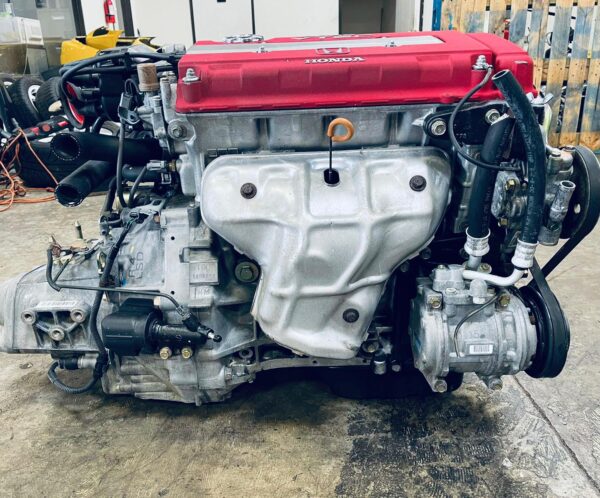
Below are the headline specs and the common versions buyers encounter. (Exact values vary by production year and market; treat these as typical ranges.)
Core characteristics (general)
- Configuration: Inline-4, DOHC, 16-valve
- Displacement: ~1.6 liters (1595 cc typical)
- Aspiration: Naturally aspirated (stock)
- Fuel system: Multi-point fuel injection (varies by model year)
- Valvetrain: DOHC with VTEC on many variants
- Redline: Often high (7,500–8,800 rpm depending on variant)
Common variants you’ll see for sale
- B16A1 / B16A2 / B16A VTEC — Popular in many markets; known for VTEC engagement and solid peak power for 1.6L NA engines.
- B16A (early JDM) — JDM versions sometimes had different cams, ECU mapping, and higher rev limits. These are prized by tuners.
- Rebuilt/ported/blueprinted B16A — Aftermarket-refreshed engines sold as higher quality long blocks or short blocks.
Typical power outputs (stock)
- Range: roughly 150–170 hp at the crank depending on the sub-variant and market spec. JDM high-performance trims can push figures near the top of that range.
3. How to search for “Honda B16A engine for sale”: keywords and where to look
To find the best deals and avoid scams, use a mix of keywords and resources.
Keywords and search phrases (SEO/tactical)
- “Honda B16A engine for sale” (primary)
- “B16A long block for sale”
- “B16A VTEC engine used”
- “B16A crate engine”
- “B16A swap engine”
- “B16A short block cheap”
- Add modifiers: “rebuilt”, “JDM”, “low miles”, “tested”, “warranty”
Good places to search
- Specialist forums & classifieds (Honda performance forums, engine swap communities) — often best for honest sellers and well-documented engines.
- eCommerce marketplaces (local classifieds, global marketplaces) — wide selection but verify carefully.
- Auto dismantlers / salvage yards — can have donor engines at lower cost; typically sold as-is.
- Rebuilders & engine shops — offer rebuilt or upgraded long blocks with warranties.
- Local car clubs and Facebook groups — sometimes great for local listings and easier inspection.
- Performance shops — may sell rebuilt B16A engines or source them for you.
Search tips
- Always include your region or country in searches to filter shipping/import issues (e.g., “B16A engine for sale UK”, “B16A for sale USA”, “B16A engine Philippines”).
- Look for complete listings with photos, engine numbers, compression test values, and documented mileage.
- Prioritize sellers who provide a running video of the engine on a test stand or in the car.
4. Pricing: realistic ranges and factors that influence cost
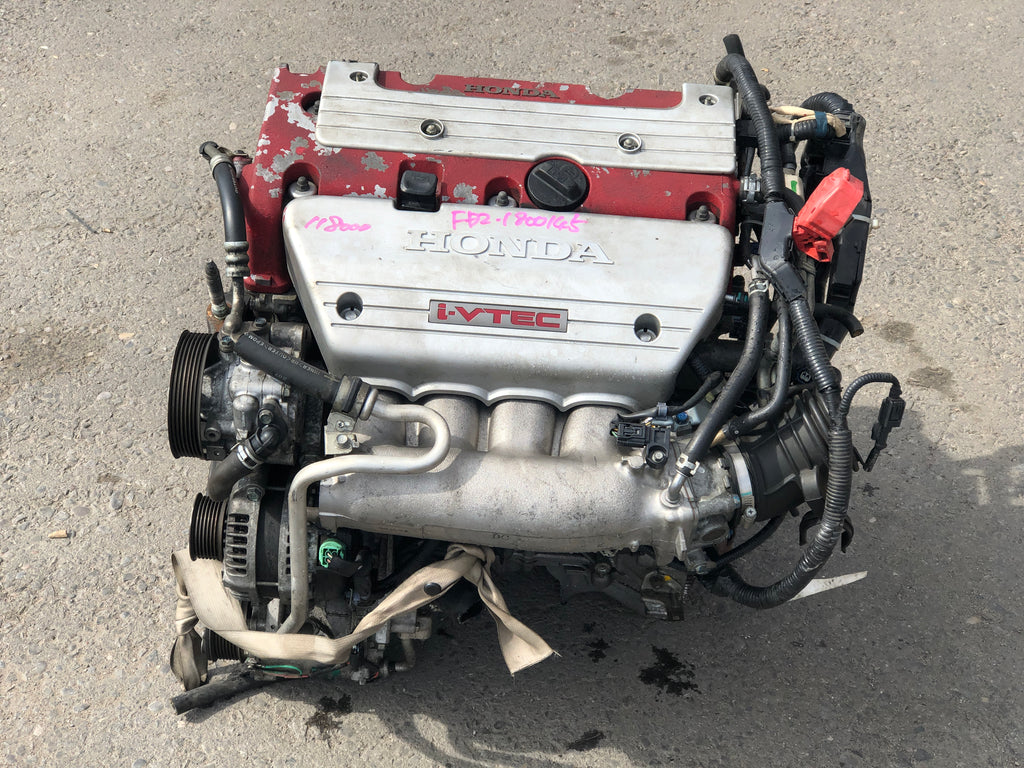
The cost of a Honda B16A engine for sale varies widely. Expect ranges based on condition, origin (JDM vs local), and service history.
Price categories
- Used, as-is (donor engine): Usually the cheapest — expect a wide range depending on mileage and condition. For many markets this is the lower bracket.
- Tested & running engines: Mid-range prices — sellers provide a running video or test results which justifies the cost.
- Rebuilt or remanufactured long blocks: Highest bracket — engines inspected, bearings/pistons replaced, and often a short warranty.
- Performance builds / upgraded internals: Premium — upgrades (forging, head work, cams) add significant cost.
Factors that affect price
- Mileage: Lower mileage = higher price (but verify mileage accuracy).
- Rebuild history: A fresh rebuild will cost more but reduces immediate risk.
- Included components: Sellers who include harness, ECU, intake, and ancillaries charge more.
- Market/region: Import costs, local availability, and demand change prices drastically.
- Documentation: Engine number, service records, and proof of compression or leak-down tests increase value.
- Modifications: High-performance camshafts, head porting, or forged internals raise price — sometimes legitimately, sometimes as a markup without proof.
5. How to inspect and verify a used B16A before buying
When you find a listing, don’t rely only on photos or descriptions. Here’s a practical inspection checklist you can use in-person or ask the seller to produce evidence for.
Pre-inspection questions for the seller (ask before committing)
- Is the engine currently running? Can you provide a video of it idling and revving?
- What is the last known mileage and how was it measured?
- Was the engine removed because the car was totaled or for an upgrade?
- Any history of overheating, knocking, or oil consumption?
- Is there documentation for previous rebuilds or maintenance (timing belt, valves, etc.)?
- Which components are included (ECU, harness, intake, alternator, A/C compressor)?
In-person inspection checklist
- Visual check
- Look for obvious damage (cracks in block/head, stripped bolts).
- Check for excessive oil leaks — a few external leaks are common, but heavy seepage or sludge is a red flag.
- Compression test / leak-down test (essential)
- Compression should be within a tight range across cylinders (ask seller for results). Large disparities or low numbers indicate internal wear.
- Oil & coolant condition
- Check oil color and consistency. Milky oil may indicate coolant mixing (head gasket problem). Coolant should be clean.
- Listen to the engine
- Ask for a video of the engine running at idle and during a rev. Look/hear for valve clatter, rod knock, or excessive rattles.
- Examine cam gears/timing belt
- If possible, verify timing belt condition or when it was last replaced. A new belt is a bonus.
- Check for aftermarket modifications
- Confirm any modifications: camshafts, porting, head work. Ask for paperwork or before/after dyno results if the engine is sold as modified.
- Verify engine number & title (if applicable)
- Match the engine displacement and transmission compatibility to your vehicle. Some jurisdictions require proper documentation for swapped engines.
Red flags that should make you walk away
- No running video or refusal to show the engine running.
- Evidence of sludge or contaminated oil.
- Large discrepancies in compression between cylinders.
- Seller cannot or will not provide basic engine number and history.
- Unexplained or undocumented modifications claiming unrealistic power gains.
6. Shipping, import, and legal considerations
Buying a B16A from another region is common, but it adds complexity.
Shipping and logistics
- Crate or pallet: Engines should be shipped on a pallet/crate and well-seated to prevent damage.
- Weight & dimensions: Factor in freight and handling costs — engines are heavy and shipping internationally can be costly.
- Insurance: Get shipping insurance that covers damage or loss.
- Duty & taxes: Import duties may apply; check local customs rules and VAT/GST responsibilities.
- Lead time: International shipping and customs clearance can take weeks.
Legal / registration issues
- Emissions rules: Some regions require engines to meet emissions standards or to come from the same model year.
- VIN/engine matching: If you plan to use the engine in a road car, your jurisdiction may require documentation for engine swaps. Keep all receipts and engine numbers.
- Environmental disposal: If the engine is for scrap, ensure proper disposal of fluids and parts.
7. Swap basics — installing a B16A
If you’re buying a Honda B16A engine for sale for a swap, understand the time, cost, and parts needed.
Typical swap components (common extras)
- Engine mounts or a swap mount kit specific to the chassis
- Wiring harness & ECU (or a standalone ECU)
- Driveshaft/adapters or transmission compatibility checks
- Exhaust manifold and downpipe that fit your chassis
- Cooling system upgrades (radiator, hoses)
- Fuel system adjustments (fuel rail, injectors)
- Clutch and flywheel matching the transmission
How long does a swap take?
- Experienced shops may finish a swap in several days to a couple of weeks depending on parts availability and fabrication needs. DIYs should budget more time and expect sourcing challenges.
Tips for smoother swaps
- Buy as complete a package as possible (with ECU and harness) to reduce wiring headaches.
- Consider a reputable wiring conversion service or a plug-and-play harness if you don’t want to rework the entire electrical system.
- Replace age-sensitive items (timing belt, water pump, valve cover gasket) during installation to reduce future downtime.
8. Maintenance, lifespan, and running costs
A well-maintained B16A can be very durable; maintenance practices strongly affect lifespan.
Key maintenance items
- Timing belt replacement — typically every 60k–100k km depending on spec and age. Replace water pump at the same time.
- Valve clearances / cam adjustments — check periodically, especially on high-revving motors.
- Oil changes — use recommended grade; high-quality oil is important for longevity.
- Cooling system — maintain the radiator, thermostat, and hoses to prevent overheating.
- Spark plugs & ignition — keep tune tight to avoid detonation and misfires.
Typical lifespan
- With regular maintenance and no abuse, many B16A engines exceed 200,000 km (125,000 miles) — often much more if rebuilds and pistons/rings are refreshed.
Running costs
- Fuel: high-revving engines can use more fuel under load.
- Parts: aftermarket parts are abundant — both affordable and expensive options exist.
- Repairs: valve trains and head work cost more than routine items; forged internals and performance builds increase service complexity.
9. Tuning, performance potential & compatibility
One reason enthusiasts buy a Honda B16A engine for sale is its tuning headroom.
Basic bolt-ons
- Intake manifold / cold air intake
- Performance header and exhaust
- High-flow fuel injectors (if adding boost or major power)
- Mild cams or regrinds for increased midrange
Serious upgrades
- Ported & polished head
- High-lift cams
- Forged pistons and rods (for forced induction)
- ECU reflash or standalone management
Forced induction
- B16A can be turbocharged or supercharged; however, this often requires forged internals, upgraded fuel system, and careful tuning. The stock bottom end is not always safe at high boost.
Compatibility with transmissions & cars
- B16A swaps are common into many Civics, Integras, CRXs, and lightweight platforms. Transmission fitment must be verified — some swaps require adapters or using the donor transmission.
10. Common problems and fixes
Even the best engines have weak points. Here’s what buyers commonly encounter with B16A engines and how to handle them.
1. Oil leaks
- Cause: age, gasket failure, valve cover gasket, seals.
- Fix: Replace gaskets/seals; inspect cam seals and head surface.
2. High oil consumption
- Cause: worn piston rings, valve seals.
- Fix: Compression/leak-down test to diagnose; rebuild if necessary.
3. Timing belt failure
- Cause: neglected replacement or poor installation.
- Fix: Replace timing belt, tensioner, idlers, and water pump at recommended intervals.
4. VTEC issues
- Cause: clogged VTEC oil passages, solenoid failure, or mechanical wear.
- Fix: Clean or replace VTEC solenoid, ensure oil passages are clear, and use correct oil viscosity.
5. Overheating and head gasket failures
- Cause: coolant leaks, worn head gasket, or warped head.
- Fix: Pressure test cooling system, replace head gasket, resurface head if warped.
6. Knocking or rod noise
- Cause: bearing failure or severe internal wear.
- Fix: Immediate teardown and rebuild; loud knocking often means internal damage.
11. SEO best practices if you’re selling a B16A engine
If you’re listing a Honda B16A engine for sale, use clear, trust-building details to increase conversion.
Listings template (high-converting)
- Title: Honda B16A VTEC Long Block — Tested, Low Miles, Includes ECU & Harness
- Short lead: Clean running B16A removed from 1998 Civic, compression tested, new timing belt. Video included. Local pickup or can ship.
- Specs & condition: Mileage, compression results, included parts, any known issues, reason for sale.
- Photos & video: Clear photos of engine number, head, block, oil condition, and a video of it running/test stand.
- Price & terms: Firm or negotiable, shipping available, returns/warranty if any.
- Contact & location: Region, best contact time.
12. Frequently asked questions (FAQ)
Q: Is the B16A a good engine for daily driving?
A: Yes — when properly tuned and maintained. Many owners use B16A-powered cars as daily drivers, though high-revving driving styles and aggressive cam profiles can increase fuel use and maintenance.
Q: Can I turbocharge a B16A?
A: Yes, but proceed carefully. Turbocharging typically requires forged internals, fuel system upgrades, and a standalone ECU or careful tuning. Stock internals tolerate light boost but are risky beyond modest gains.
Q: How do I tell if a B16A is authentic JDM?
A: Check the engine code stamped on the block/head and compare against reliable references (service manuals, reputable forums). Authentic JDM engines usually have specific casting and codes; ask the seller for clear photos of all numbers.
Q: Is a B16A worth the money compared to modern K-series swaps?
A: It depends on goals. B16A is lighter and historically iconic for 1.6L high-revving builds. K-series offers more torque and modern features but can be heavier and more complex to swap. Choose based on budget, desired powerband, and vehicle compatibility.
Q: What paperwork should I get when buying?
A: Bill of sale, engine serial number, any maintenance/rebuild receipts, and photos/videos proving working condition. For imports, keep freight and customs paperwork.
13. Final checklist before purchase — quick actionable list
Use this checklist before you hit “buy” on a Honda B16A engine for sale listing:
- Seller provided engine number and clear photos.
- Running video available (idle + revs).
- Compression or leak-down test documented.
- Timing belt/water pump status disclosed.
- Included parts listed (ECU, harness, intake, ancillaries).
- Shipping logistics and cost confirmed or local pickup arranged.
- Warranty or return policy (even short) noted.
- Price comparison done across multiple sellers.
- Payment method verified and secure (avoid unsafe transfers).
14. Short case study examples (buyer scenarios)
Scenario A — Cost-conscious builder
- Buys a donor B16A as-is from a salvage yard; price is low. Performs a full rebuild (new bearings, rings, timing components) and upgrades head for ~50–60% of the cost of a reman long block. Pros: lower upfront cost. Cons: requires hands-on work, time, and part sourcing.
Scenario B — Time-sensitive swapper
- Purchases a tested, running long block with ECU and harness included, from a reputable seller. Higher upfront cost but minimal unexpected surprises. Pros: fast installation and lower risk. Cons: higher budget required.
Scenario C — Performance enthusiast
- Pays premium for a freshly rebuilt B16A with forged internals and ported head, dyno-tested. Pros: immediate reliable power. Cons: expensive and may need upgraded drivetrain components.
15. Practical resources & next steps (without external links)
To proceed confidently:
- Decide budget and whether you want a used donor, tested long block, or a rebuilt crate engine.
- Start searching with exact phrases: “Honda B16A engine for sale”, plus your country/region.
- Contact multiple sellers and request the checklist items above.
- If importing, get a freight quote and customs/duties estimate before committing.
- If swapping, list the extra parts you’ll need (mounts, harness, clutch/trans adapter).
- If in doubt, prioritize engines with verifiable compression tests and running videos.
