

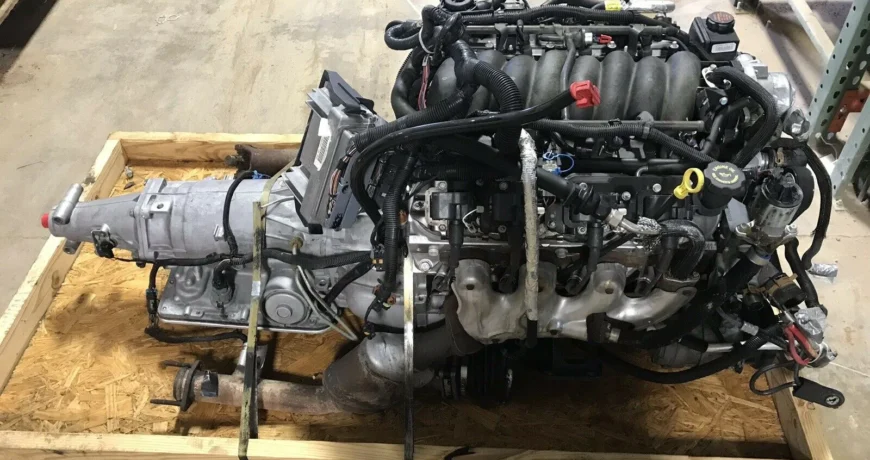
ls1 5.7 engine for sale Leave a comment
LS1 5.7 Engine for Sale: The Ultimate Buyer’s Guide
The LS1 5.7-liter V8 engine is one of the most legendary motors in automotive history. Developed by General Motors and introduced in the 1997 Chevrolet Corvette (C5), the LS1 quickly earned a reputation for performance, reliability, and modifiability. Today, gearheads and car enthusiasts across the world are constantly on the lookout for LS1 5.7 engines for sale—and for good reason.
Table of Contents
- Introduction
- What is the LS1 5.7 Engine?
- Key Specifications of the LS1 5.7 Engine
- Why Choose an LS1 5.7 Engine?
- Where to Find LS1 5.7 Engines for Sale
- New vs Used LS1 5.7 Engines
- What to Check Before Buying
- Average Prices of LS1 5.7 Engines
- Shipping and Warranty Considerations
- Top Online Retailers Selling LS1 5.7 Engines
- How to Install an LS1 5.7 Engine
- Performance Upgrades for LS1 5.7
- Common Issues and Maintenance Tips
- Conclusion
- Frequently Asked Questions (FAQs)
Introduction
The LS1 5.7-liter V8 engine is one of the most legendary motors in automotive history. Developed by General Motors and introduced in the 1997 Chevrolet Corvette (C5), the LS1 quickly earned a reputation for performance, reliability, and modifiability. Today, gearheads and car enthusiasts across the world are constantly on the lookout for LS1 5.7 engines for sale—and for good reason.
Whether you’re working on a restomod, a muscle car project, or an engine swap, finding the right LS1 engine at the right price is essential. In this article, we’ll walk you through everything you need to know about buying an LS1 5.7 engine, from specifications and pricing to where to shop and what to avoid.
What is the LS1 5.7 Engine?
The LS1 engine is part of GM’s Gen III small-block V8 family. Released in 1997, it revolutionized the V8 platform by offering aluminum construction, coil-near-plug ignition, and a modern sequential fuel injection system. Unlike the cast-iron blocks of earlier generations, the LS1’s lightweight construction helped reduce overall vehicle weight while maintaining exceptional durability and power.
Notable Applications:
- 1997–2004 Chevrolet Corvette (C5)
- 1998–2002 Chevrolet Camaro Z28 and SS
- 1998–2002 Pontiac Firebird Formula/Trans Am
- Australian Holden Commodore (VT/VX/Monaro)
Key Specifications of the LS1 5.7 Engine
| Feature | Specification |
|---|---|
| Displacement | 5.7L (5665cc) |
| Bore x Stroke | 3.90 in × 3.62 in |
| Horsepower | 305–350 hp (varies by model/year) |
| Torque | 335–365 lb-ft |
| Redline | ~6,000 RPM |
| Compression Ratio | 10.1:1 |
| Block Material | Aluminum |
| Head Material | Aluminum |
| Fuel System | Sequential Fuel Injection |
| Valvetrain | OHV, 2 valves per cylinder |
Why Choose an LS1 5.7 Engine?
1. Proven Performance
The LS1 is known for delivering excellent horsepower and torque output with minimal modifications. With just a few bolt-ons, it can surpass 400 horsepower easily.
2. Aftermarket Support
The LS1 has one of the most robust aftermarket ecosystems, offering everything from camshafts and cylinder heads to turbo kits and full engine management systems.
3. Versatile Swaps
Thanks to its compact size and popularity, the LS1 is often swapped into:
- Classic muscle cars
- Trucks
- Import builds
- Kit cars
4. Durability and Longevity
When maintained properly, LS1 engines can surpass 200,000 miles, making them a solid long-term investment.
Where to Find LS1 5.7 Engines for Sale
Here are common sources for finding LS1 5.7 engines:
1. Online Marketplaces
- eBay Motors
- Facebook Marketplace
- Craigslist
- OfferUp
2. Engine Retailers and Junkyards
- JEGS
- Summit Racing
- LKQ Pick Your Part
- Car-Part.com
- Fraser Engines
- ATK Performance Engines
3. LS-Specific Forums & Groups
- LS1Tech Forums
- Reddit (/r/LSswap)
- Facebook groups like “LSX Swap Nation”
New vs Used LS1 5.7 Engines
New or Remanufactured
- Pros: Warranty, zero wear, peace of mind
- Cons: Expensive (often $5,000–$7,000+)
Used
- Pros: More affordable (usually $1,500–$3,000)
- Cons: Risk of hidden damage, higher mileage
Tip: Request a compression test or dyno sheet for used engines.
What to Check Before Buying
- VIN Compatibility – Ensure the engine matches your car or swap platform.
- Mileage – Lower is better. Aim for under 100,000 miles if possible.
- Compression Test Results – Confirms internal health.
- Oil Condition – Milky or dirty oil could indicate serious issues.
- History – Avoid engines from flood-damaged vehicles.
- Included Components – Some listings include ECU, wiring harness, manifolds, etc.
Average Prices of LS1 5.7 Engines
| Condition | Average Price |
|---|---|
| Used (Complete Pullout) | $1,800–$3,500 |
| Rebuilt/Remanufactured | $3,500–$5,500 |
| Crate Engine (New Build) | $5,000–$8,000 |
| Short Block Only | $1,000–$1,800 |
| Long Block | $2,000–$3,000 |
Shipping and Warranty Considerations
Shipping Tips
- Request shipping with insurance
- Use freight carriers for engines
- Check liftgate service availability if residential
Warranty
- Most remanufactured engines include a 1–3 year warranty
- Always verify warranty coverage for commercial vs personal use
Top Online Retailers Selling LS1 5.7 Engines
1. Summit Racing
- Known for high-performance crate LS engines
- Offers complete kits and accessories
2. JEGS High Performance
- Large selection of GM Performance parts
- Often includes free shipping
3. ATK Engines
- Specializes in remanufactured and high-performance long blocks
4. LKQ Online
- Pulls from a national network of salvage yards
- Offers used engines with some warranty
5. eBay Motors
- Massive selection
- Always research the seller’s reputation and reviews
How to Install an LS1 5.7 Engine
Basic Steps:
- Remove the old engine
- Install LS motor mounts and adapter plates
- Modify the wiring harness or use an LS swap standalone harness
- Connect exhaust headers, fuel system, and cooling
- Program or flash the ECU
- Test fire and troubleshoot
Note: LS swaps can vary based on the vehicle, so use swap-specific kits and guides.
Performance Upgrades for LS1 5.7
- Cold Air Intakes
- Performance Camshafts (e.g., Texas Speed, BTR)
- LS6 Intake Manifold
- Aftermarket Cylinder Heads
- Forced Induction (Turbo or Supercharger Kits)
- Headers and Exhaust Systems
- Standalone ECU Systems (e.g., Holley Terminator X)
Common Issues and Maintenance Tips
Common Issues:
- Rear main seal leaks
- Oil pressure sensor failure
- Knock sensor corrosion
- Valve spring wear
Maintenance Tips:
- Use high-quality synthetic oil (5W-30)
- Replace the timing chain around 100k miles
- Upgrade valve springs when adding a cam
- Tune the ECU after any major mod
Conclusion
The LS1 5.7 engine remains a top choice for performance builders and engine swappers due to its power potential, compact size, and aftermarket support. Whether you’re buying a used engine for a budget build or investing in a new crate motor for a restomod, the LS1 delivers great value and legendary reliability.
Make sure to do your research, compare pricing, and work with trusted sellers. With the right LS1 engine, your project vehicle can become a street or track beast.
Frequently Asked Questions (FAQs)
1. How much horsepower can I get from an LS1 5.7?
Stock, the LS1 produces 305–350 horsepower. With bolt-ons and a tune, it can reach 400+ hp. With forced induction, 600+ hp is possible.
2. What vehicles came with the LS1 engine?
Mainly:
- 1997–2004 Corvette C5
- 1998–2002 Camaro and Firebird
- Australian Holden variants
3. Is the LS1 better than the LS6?
The LS6 is a refined version of the LS1 with improved heads and intake. It’s better for performance, but the LS1 is more common and affordable.
4. Can I swap an LS1 into my classic car?
Yes! LS1 engines are a popular swap for classic Chevys, Mustangs, and even imports. You’ll need motor mounts, headers, wiring, and fuel system mods.
5. Are LS1 engines still available brand new?
New “crate-style” versions are still sold by GM and performance shops. However, most LS1s today are rebuilt or used.
6. What’s the difference between LS1 and LS2?
The LS2 is a 6.0L version with more power, but slightly larger physically. The LS1 is lighter and more common in early swaps.
7. Is the LS1 fuel efficient?
For a V8, yes. Expect 20–28 MPG on highway in stock trim, depending on vehicle.
8. How much does it cost to swap an LS1?
Depending on parts and labor, LS1 swaps cost between $3,000 and $10,000.
9. What’s the best camshaft for LS1 performance?
Popular options include BTR Stage 2, Texas Speed 228R, and Comp Cams XFI line.
10. Where can I buy a full LS1 swap kit?
Check JEGS, Summit Racing, ICT Billet, and LSX Innovations for complete swap kits including mounts, wiring, and ECU.
