

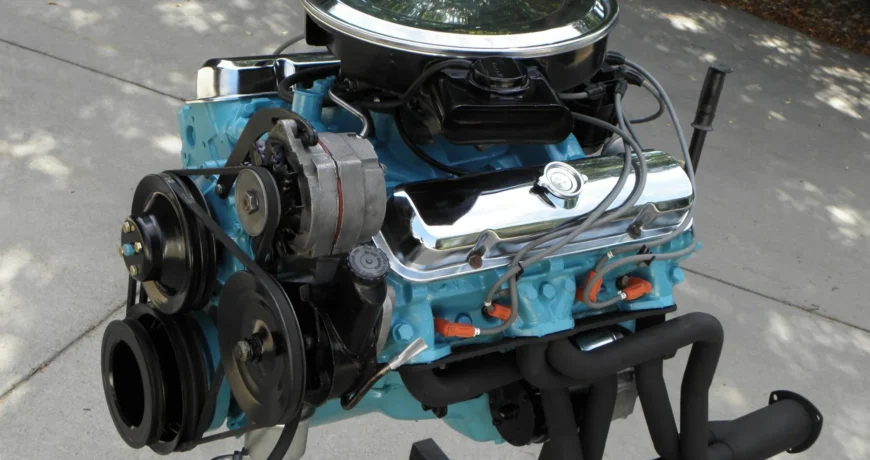
pontiac engines for sale Leave a comment
Pontiac Engines for Sale: A Complete Buyer’s Guide
If you’re a muscle car enthusiast or a classic car restorer, you know the value of a Pontiac engine. With a legendary history rooted in performance and power, Pontiac engines remain some of the most sought-after components for car rebuilds and restorations. In this comprehensive guide, we’ll explore everything you need to know about Pontiac engines for sale, including where to find them, what to consider before buying, pricing, common engine types, and FAQs.
Table of Contents
- Introduction to Pontiac Engines
- Popular Types of Pontiac Engines
- Where to Find Pontiac Engines for Sale
- Things to Consider Before Buying
- Pontiac Engine Pricing Guide
- Best Places to Buy Rebuilt or Used Pontiac Engines
- Restoration vs. Replacement: Which is Right for You?
- FAQs About Pontiac Engines for Sale
Introduction to Pontiac Engines
Pontiac, once a division of General Motors (GM), produced high-performance vehicles that dominated American streets in the 1960s and 70s. At the heart of these vehicles were powerful V8 engines designed for speed and torque. The most iconic models—like the Pontiac GTO, Trans Am, and Firebird—are still revered today, and so are their engines.
Even after Pontiac was discontinued in 2010, the legacy of its powerful engines lives on. Whether you’re restoring a classic or building a performance machine, finding the right Pontiac engine for sale can make all the difference.
Popular Types of Pontiac Engines
There are several iconic Pontiac engine models that have stood the test of time. Here are the most sought-after:
1. Pontiac 400 V8
- Introduced in 1967, the 400 cubic inch (6.6L) V8 engine became a staple in the GTO, Firebird, and Grand Prix.
- Known for its high performance and durability.
- Horsepower ranged from 265 to 370 hp depending on model and year.
2. Pontiac 455 V8
- A beast introduced in 1970 with torque outputs peaking over 500 lb-ft.
- Common in GTOs and Trans Ams during the early 70s.
- Great option for torque-heavy builds.
3. Pontiac 350 V8
- A mid-range option introduced in 1968.
- Reliable, fuel-efficient (for its time), and ideal for daily driving restorations.
4. 301 Turbo V8
- Offered in the early 1980s, it was Pontiac’s answer to modern emissions rules while retaining some performance.
- The 301 turbo version (offered in 1980–81 Trans Am) is now a collector’s piece.
5. 326 and 389 V8s
- The 326 was a small-block V8 introduced in the early 60s.
- The 389 powered the original 1964 GTO and is one of the most iconic Pontiac motors ever made.
Where to Find Pontiac Engines for Sale
Today, Pontiac engines are available for sale from various sources, both online and offline. Here are the top places to look:
Online Marketplaces
- eBay Motors – Offers a wide variety of Pontiac crate engines, used engines, and engine parts.
- Craigslist & Facebook Marketplace – Useful for local pickups and negotiating prices directly.
- Marketplace Sites like RacingJunk.com – Focused on performance parts and engines.
Specialized Engine Builders & Retailers
- Jasper Engines – Offers remanufactured Pontiac engines with warranties.
- ATK High Performance – Known for quality Pontiac crate engines.
- BluePrint Engines – Offers GM-compatible crate engines with modern upgrades.
Auto Salvage Yards
- Junkyards often stock old Pontiacs with salvageable engines.
- Ideal for budget-conscious buyers who can handle restoration or rebuilds.
Things to Consider Before Buying
Before purchasing a Pontiac engine for sale, it’s important to evaluate your needs and the engine’s condition.
1. Engine Authenticity
- Verify if the engine is original or a modern clone.
- Matching numbers add value to restorations.
2. Compression and Condition
- Request a compression test or proof of recent rebuild.
- Watch out for worn-out pistons, cracked heads, or damaged camshafts.
3. Purpose of the Engine
- Are you restoring a classic car or building a street racer?
- Choose accordingly between a stock engine, mild rebuild, or high-performance crate engine.
4. Transmission Compatibility
- Make sure the engine matches your transmission setup (manual vs automatic).
- Adapter kits are available but may require extra cost.
5. Warranty & Documentation
- Always opt for engines with warranty, especially rebuilt or remanufactured units.
- Ensure you get documentation for rebuilds, dyno testing, and any upgrades.
Pontiac Engine Pricing Guide
The price of Pontiac engines for sale can vary depending on condition, rarity, and performance specs.
| Engine Type | Condition | Average Price (USD) |
|---|---|---|
| 400 V8 | Used (core) | $1,500 – $3,000 |
| 400 V8 | Rebuilt | $3,500 – $5,500 |
| 455 V8 | Used | $2,000 – $4,000 |
| 455 V8 | Rebuilt | $4,000 – $6,500 |
| 389 V8 | Collector Grade | $5,000 – $8,000 |
| 301 Turbo | Collector/rare | $4,000 – $7,000 |
| Crate Engine (aftermarket GM-compatible) | New | $6,000 – $10,000 |
Keep in mind that prices fluctuate based on demand, condition, and whether the engine includes accessories (intake, carb, exhaust, etc.).
Best Places to Buy Rebuilt or Used Pontiac Engines
Here’s a curated list of top-rated places to buy Pontiac engines:
1. PontiacPower.net
- Dedicated Pontiac performance community and classifieds.
- Ideal for finding rare engines from enthusiasts.
2. Summit Racing
- Offers aftermarket Pontiac-compatible crate engines and accessories.
3. JEGS High Performance
- Known for offering Pontiac engine parts and fully assembled engines.
4. Local Machine Shops
- Some shops specialize in Pontiac engine rebuilds—great for customized builds.
5. Engine Rebuilders like S&J Engines or Fraser Engines
- Offer rebuilt and remanufactured Pontiac engines with 3-year warranties.
Restoration vs. Replacement: Which is Right for You?
If you own a classic Pontiac, you might wonder: should I restore the original engine or replace it with a crate motor?
Restoring Original Pontiac Engine:
Pros:
- Maintains vehicle’s originality and collector value.
- Ideal for show cars and classic restorations.
Cons:
- Costly and time-consuming.
- Original parts can be hard to find.
Replacing with Aftermarket Crate Engine:
Pros:
- More horsepower and modern reliability.
- Turnkey solution with minimal hassle.
Cons:
- May reduce collector value.
- Requires compatibility checks with drivetrain.
Bottom Line: If you’re building for performance, go crate. If you’re restoring a rare GTO or Firebird, restoring the matching-number engine is the better choice.
FAQs About Pontiac Engines for Sale
Q1. Are Pontiac engines still being manufactured?
No, original Pontiac engines are no longer manufactured since Pontiac’s shutdown in 2010. However, rebuilt, remanufactured, and aftermarket crate engines compatible with Pontiac vehicles are still widely available.
Q2. What is the best Pontiac engine for performance?
The 455 HO (High Output) V8 and 400 Ram Air IV are considered top-tier in terms of power and street performance. Modern crate engines based on these specs can exceed 500 horsepower.
Q3. What’s the difference between a rebuilt and remanufactured Pontiac engine?
- Rebuilt: Repaired only where needed (e.g., new pistons, cleaned block).
- Remanufactured: Returned to factory specs; often includes machining and new parts throughout. More expensive, but better long-term investment.
Q4. Can I use a Chevy engine in my Pontiac?
Yes, many Chevy small-block and big-block engines can be swapped into Pontiacs with compatible mounts and transmissions. However, purists prefer original Pontiac blocks for authenticity and resale value.
Q5. How do I verify an original Pontiac engine?
Check the engine code, casting number, and VIN partials. Sites like Wallace Racing offer Pontiac engine decoding tools to verify originality.
