

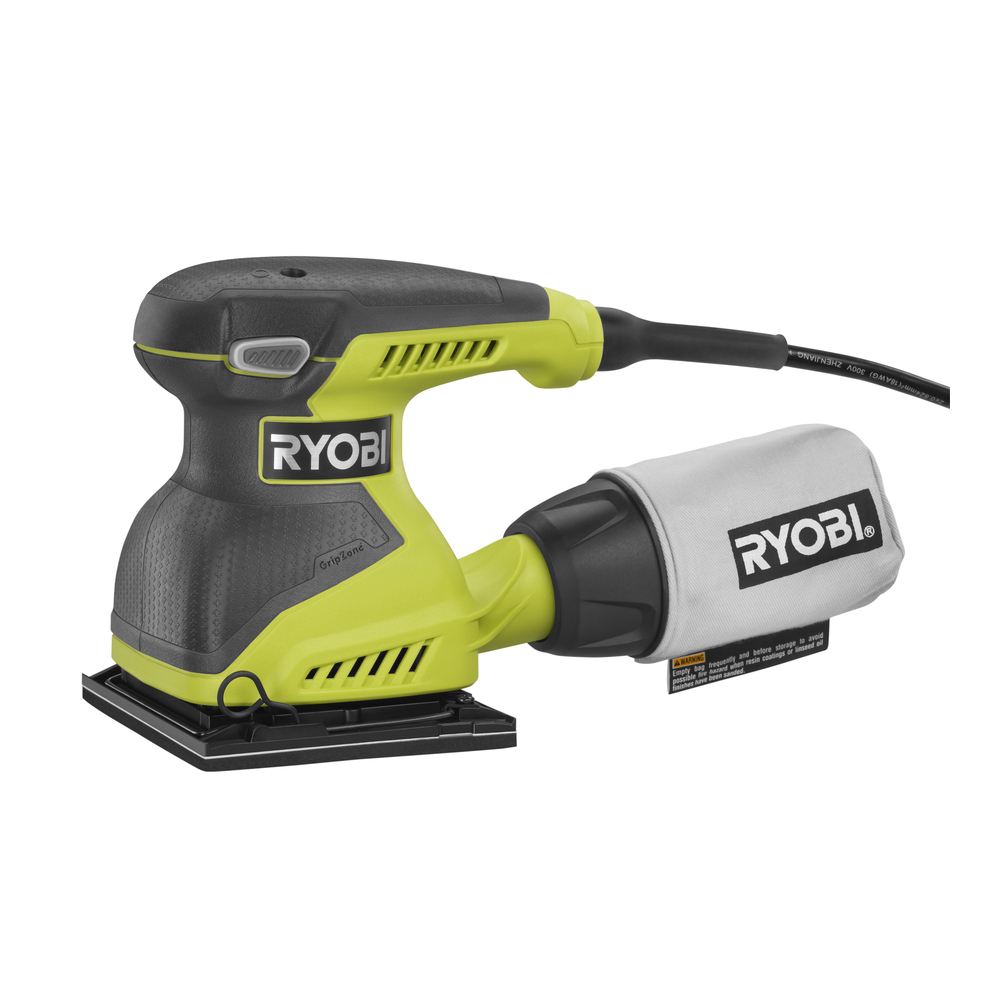
Ryobi Sheet Sander
When it comes to power tools, Ryobi is a name that resonates with quality, innovation, and affordability. Among their broad range of tools, the Ryobi Sheet Sander stands out as a favorite among both DIY enthusiasts and professional contractors. Designed for precision and ease of use, this powerful finishing sander is perfect for preparing surfaces, removing old paint, and delivering a smooth, clean finish.
Ryobi Sheet Sander: The Ultimate Guide for DIYers and Professionals
When it comes to power tools, Ryobi is a name that resonates with quality, innovation, and affordability. Among their broad range of tools, the Ryobi Sheet Sander stands out as a favorite among both DIY enthusiasts and professional contractors. Designed for precision and ease of use, this powerful finishing sander is perfect for preparing surfaces, removing old paint, and delivering a smooth, clean finish.
In this detailed guide, we’ll dive into everything you need to know about the Ryobi Sheet Sander—its features, benefits, models, applications, comparisons, maintenance tips, and FAQs. Whether you’re working on woodworking projects or home renovations, this article will help you understand why a Ryobi Sheet Sander might be your best sanding companion.
What is a Ryobi Sheet Sander?
A sheet sander, also known as a finishing sander, uses rectangular sandpaper sheets to sand down flat surfaces. The Ryobi Sheet Sander utilizes this mechanism with a motor that moves the sanding pad in tiny orbits to produce a smooth finish without leaving swirl marks.
Ryobi’s models are known for combining user-friendly features with robust performance, making them ideal for beginners and seasoned craftsmen alike.
Key Features of the Ryobi Sheet Sander
Ryobi sheet sanders come packed with several notable features:
1. Powerful Motor
Most models come equipped with a 2.0 to 2.5 amp motor, which provides enough power for both light and heavy-duty sanding tasks. This motor enables efficient material removal while maintaining precision.
2. Ergonomic Grip Design
Ryobi integrates a GRIPZONE™ overmold in their sanders, which enhances comfort and control, especially during prolonged use. The ergonomic grip reduces fatigue and makes it easier to guide the tool smoothly.
3. Dust Collection System
The Ryobi Sheet Sander often includes an onboard dust bag or a dust port compatible with shop vacuums, ensuring a cleaner workspace and better visibility of the work surface.
4. Easy Paper Clamp System
Ryobi’s sheet holding system makes changing sandpaper sheets a breeze. The improved paper clamp securely holds the sandpaper, ensuring consistent contact and reducing slippage.
5. Compact and Lightweight
Weighing around 3 pounds, the Ryobi Sheet Sander is lightweight and compact, ideal for working in tight corners and on vertical surfaces.
Popular Ryobi Sheet Sander Models
Here are some of the most popular Ryobi sheet sander models currently available:
1. Ryobi P440 1/4 Sheet Sander (Cordless)
-
Voltage: 18V (Part of the ONE+ system)
-
Speed: 14,000 OPM (Orbits per Minute)
-
Battery-powered, giving you freedom of movement
-
Compatible with all Ryobi ONE+ batteries
-
Ideal for small jobs and portability-focused users
2. Ryobi S652DG 1/4 Sheet Sander (Corded)
-
Motor: 2.0 Amp
-
Speed: 14,000 OPM
-
Dust collection bag included
-
Improved GRIPZONE overmold for user comfort
-
Great for continuous, power-intensive sanding
3. Ryobi RS290G 1/3 Sheet Sander
-
Motor: 2.6 Amp
-
Larger sanding surface—better for large flat surfaces
-
Dust collection port with vacuum adapter
-
Dual sealed switch for extended tool life
Applications of the Ryobi Sheet Sander
The Ryobi sheet sander is a versatile tool ideal for various applications, including:
– Surface Preparation
Smooth out wood, drywall, or painted surfaces before applying a new coat of paint, varnish, or stain.
– Finish Sanding
The small orbital movements of the sander help achieve a smooth, swirl-free finish, perfect for the final touch on furniture or cabinetry.
– Paint and Varnish Removal
With the right grit, a Ryobi Sheet Sander can effectively strip paint and varnish from flat surfaces.
– Polishing Metal and Plastic
Using specialized sheets, it can also be used to polish or sand certain metals and plastics.
Advantages of Choosing a Ryobi Sheet Sander
✅ Affordability
Compared to other brands, Ryobi offers excellent value for money, making it accessible for hobbyists and budget-conscious professionals.
✅ Cordless and Corded Options
Ryobi offers both cordless and corded models to suit varying project needs—mobility vs. continuous power.
✅ Compatibility with Ryobi ONE+ System
The cordless variants are part of the Ryobi ONE+ battery platform, allowing you to use one battery across dozens of Ryobi tools.
✅ High Sanding Efficiency
With speeds up to 14,000 OPM, you can get quick and efficient sanding with minimal effort.
✅ User-Friendly Design
The ergonomic grip, low weight, and intuitive features make it ideal even for users new to power sanding.
How to Use a Ryobi Sheet Sander
-
Select the Right Sandpaper: Use a coarser grit (60–80) for material removal, medium (120–150) for smoothing, and fine (220+) for finishing.
-
Attach Sandpaper: Cut standard sandpaper to fit the pad and secure it using the clamps or hook-and-loop system.
-
Power On and Let It Run Briefly: Before applying it to the surface, let the sander reach full speed.
-
Sand with Gentle Pressure: Move the sander slowly and evenly. Avoid pressing too hard—it reduces effectiveness and can damage the surface.
-
Monitor Dust Collection: Empty the dust bag or connect a vacuum to minimize airborne dust.
-
Turn Off and Unplug When Done: Always disconnect when changing paper or doing maintenance.
Ryobi Sheet Sander vs. Orbital Sander
| Feature | Ryobi Sheet Sander | Ryobi Orbital Sander |
|---|---|---|
| Sanding Pad Shape | Rectangular | Round |
| Best For | Flat edges, corners, finishes | General sanding, curved areas |
| Paper Type | 1/4 or 1/3 standard sheets | Hook-and-loop discs |
| Aggressiveness | Less aggressive (fine sanding) | More aggressive (material removal) |
| Finish Quality | High | Medium to high |
If you’re looking for fine, precise finishes, especially along edges and corners, the sheet sander is your best bet.
Tips for Maintaining Your Ryobi Sheet Sander
Proper maintenance ensures long-term performance and safety:
-
Clean Dust Bag Regularly: Prevent clogs by emptying the dust collector after every use.
-
Check for Worn Brushes (Corded Models): Replace carbon brushes if the tool loses power.
-
Inspect Sanding Pad: Over time, the sanding pad may wear out and affect performance. Replace as needed.
-
Tighten Clamps: Ensure the sandpaper is always firmly secured.
-
Lubricate Moving Parts (if needed): Occasionally check for any signs of friction or stiffness.
-
Store in a Dry Place: Moisture can rust internal parts and damage the motor.
Where to Buy Ryobi Sheet Sanders
Ryobi tools are widely available online and in physical stores. Here are some trusted options:
-
Home Depot (official Ryobi retailer)
-
Amazon
-
Walmart
-
Lowe’s
-
eBay (for used tools)
-
RyobiTools.com (for product specifications and parts)
Common Questions About Ryobi Sheet Sanders
1. Can I use any sandpaper with a Ryobi sheet sander?
Yes, but it must be cut to size. Ryobi sheet sanders use standard 1/4 or 1/3 sheet sandpapers depending on the model.
2. Is the Ryobi sheet sander suitable for hardwood?
Absolutely. Just use a coarse grit to start, and move to finer grits to finish. Always test on scrap wood first.
3. What battery does the cordless model use?
The Ryobi P440 and other cordless variants use 18V Ryobi ONE+ batteries.
4. Can it be used for polishing?
Yes, if you use appropriate polishing pads and finer grit sheets.
5. Is it loud?
It produces a standard noise level for sanders (70–90 dB). Wearing hearing protection is recommended during extended use.
Based on 0 reviews
Be the first to review “Ryobi Sheet Sander”
Related products
-
ryobi power tools
Ryobi Framing Nailer
If you’re a professional contractor or a dedicated DIY enthusiast, you know the value of a powerful, reliable framing nailer. When it comes to blending performance, durability, and affordability, the Ryobi Framing Nailer stands out as one of the best tools in the industry. Built to deliver high-powered nailing without the hassle of compressors or hoses, Ryobi’s cordless framing nailer is designed for efficient and precise framing, sheathing, fencing, and more.
SKU: n/a -
ryobi power tools
Ryobi Miter Saw
When it comes to precision woodworking tools, the Ryobi Miter Saw stands as a favorite among DIY enthusiasts, contractors, and carpenters alike. Known for combining high performance, portability, and affordability, Ryobi’s line of miter saws offers reliable cutting solutions for framing, trimming, molding, and other fine-finish carpentry jobs.
SKU: n/a -
ryobi power tools
Ryobi Track Saw
If you’re into woodworking, cabinetry, or just serious about your DIY game, the Ryobi track saw is a tool that deserves your attention. Designed for precision, portability, and power, the Ryobi track saw combines the functionality of a table saw with the flexibility of a circular saw—without the bulk.
SKU: n/a -
ryobi power tools
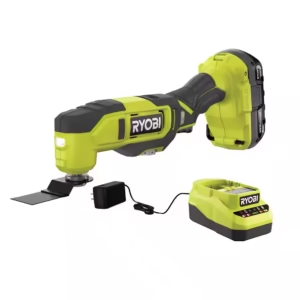
Ryobi Multi-Tool (Oscillating Tool)
When it comes to power tools, versatility is king — and the Ryobi Multi-Tool (Oscillating Tool) wears the crown. Whether you’re a professional contractor or a weekend DIY enthusiast, this tool is engineered to handle a wide range of applications. From precision cutting and sanding to scraping and grinding, the Ryobi oscillating multi-tool is your all-in-one solution for tackling tough jobs with ease.
SKU: n/a -
ryobi power tools
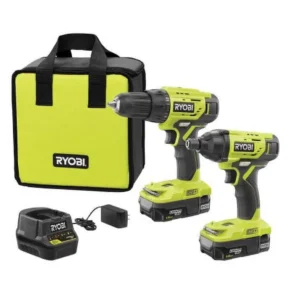
Ryobi Impact Driver
In the world of cordless power tools, Ryobi impact drivers stand out as a powerful, reliable, and affordable option for both professionals and DIY enthusiasts. Designed to deliver high torque with minimal effort, these tools are the go-to solution for driving screws, bolts, and fasteners into even the toughest materials.
SKU: n/a
There are no reviews yet.