

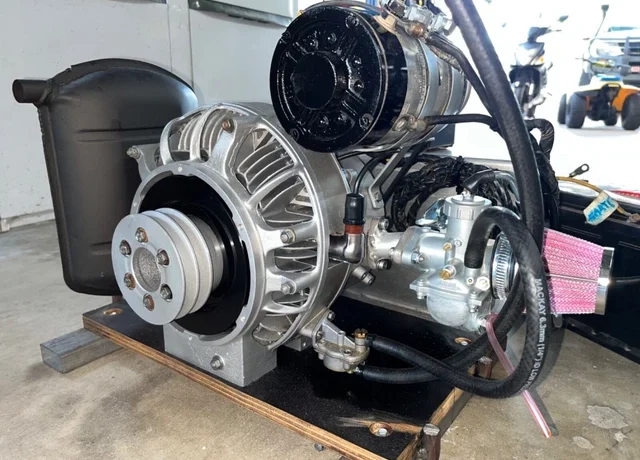
sachs wankel rotary engine for sale Leave a comment
Sachs Wankel Rotary Engine for Sale: A Complete Guide for Enthusiasts and Buyers
The Sachs Wankel rotary engine is a marvel of German engineering and innovation. Unlike traditional piston engines, the rotary engine, developed initially by Felix Wankel, operates with a rotating triangular rotor instead of pistons. Sachs, a German brand known for its motorcycles and small engines, was one of the early adopters of the Wankel concept, producing compact and reliable rotary engines primarily for motorcycles, snowmobiles, and industrial applications.
Today, the Sachs Wankel rotary engine is not just a piece of engineering history — it’s a sought-after component among collectors, vintage motorsport enthusiasts, and mechanical tinkerers. If you’re searching for a Sachs Wankel rotary engine for sale, this comprehensive guide will cover everything you need to know.
Table of Contents
- What Is a Sachs Wankel Rotary Engine?
- Brief History of Sachs and the Wankel Rotary Engine
- Key Models of Sachs Rotary Engines
- Applications of Sachs Wankel Engines
- Where to Find Sachs Wankel Rotary Engines for Sale
- What to Consider Before Buying a Sachs Rotary Engine
- Restoring and Maintaining Sachs Wankel Engines
- FAQs
- Conclusion
What Is a Sachs Wankel Rotary Engine?
The Sachs Wankel rotary engine is a compact internal combustion engine that uses a rotating rotor instead of traditional pistons. These engines are air-cooled, lightweight, and remarkably simple in design. Sachs produced several versions of Wankel engines in the 1960s and 1970s, which were used in motorcycles, snowmobiles, and stationary applications like generators and lawnmowers.
Unlike a piston engine that moves up and down, the rotary engine uses an eccentric rotor that spins around a fixed shaft, creating a smooth and efficient power delivery. Because of its fewer moving parts, the Wankel rotary engine has less vibration and a higher power-to-weight ratio.
Brief History of Sachs and the Wankel Rotary Engine
Fichtel & Sachs AG, better known as Sachs, was a German manufacturer with a storied history in producing clutches, shock absorbers, and engines. In the 1960s, Sachs entered the market for small rotary engines, licensing the Wankel technology from NSU.
Some highlights of Sachs’ rotary engine production include:
- 1967: Introduction of the first Sachs KM 37 rotary engine.
- Early 1970s: Widespread adoption in snowmobiles and mopeds.
- 1973: Introduction of the Sachs DKW Hercules W-2000 motorcycle powered by a rotary engine.
- Mid-1980s: Gradual decline in rotary engine production due to emission standards and economic factors.
Today, Sachs rotary engines are collector’s items and can often be seen at vintage machinery shows, enthusiast clubs, and specialized auctions.
Key Models of Sachs Rotary Engines
Here are some of the most notable Sachs Wankel rotary engine models:
1. Sachs KM 37
- Displacement: 294 cc
- Power Output: Around 6–8 HP
- Applications: Used in industrial equipment, chainsaws, and small vehicles
2. Sachs KM 914
- Displacement: 300–500 cc range
- Power Output: 8–15 HP
- Applications: Snowmobiles, mini-bikes, and agricultural equipment
3. Sachs W-2000 Motorcycle Engine
- Displacement: 294 cc
- Power Output: 27 HP @ 6,500 RPM
- Cooling: Air-cooled with radial fan
- Fuel: Two-stroke oil premix
4. Sachs Industrial Rotary Engines
- Used in:
- Portable generators
- Pumps
- Compact vehicles
- Experimental aircraft (in rare cases)
These models vary in design, cooling method, and intended use, but they all follow the core Wankel rotary engine principles.
Applications of Sachs Wankel Engines
Sachs Wankel rotary engines were versatile and used in several types of equipment:
- Motorcycles: Most famously in the DKW Hercules W-2000.
- Snowmobiles: Due to their light weight and compact design.
- Industrial Equipment: Such as water pumps, portable generators, and agricultural machines.
- Military Prototypes: Occasionally used in German military tech for UAVs or test vehicles.
- Experimental Vehicles: Including microcars and rotary-powered scooters.
Collectors and restoration enthusiasts often repurpose these engines for go-karts, home-built aircraft, or mechanical showcases.
Where to Find Sachs Wankel Rotary Engines for Sale
Finding a Sachs Wankel rotary engine for sale can be a rewarding hunt. Here are the best sources to explore:
1. Online Marketplaces
- eBay – One of the most common places to find vintage Sachs rotary engines.
- Craigslist – Occasionally features local sellers listing snowmobiles or parts.
- Facebook Marketplace – Popular with restoration communities and DIYers.
2. Specialty Forums and Enthusiast Groups
- RotaryEngine.com
- MazdaRotaryClub.com – While Mazda-focused, it includes broader rotary topics.
- Vintage Engine Forums – Dedicated threads for Sachs KM 37 or W-2000 owners.
3. Vintage Machinery Auctions
- Websites like:
- Bring a Trailer (BaT)
- ClassicCarAuctions
- Bonhams (occasionally lists rare motorcycles or experimental machinery)
4. Salvage Yards and Motorcycle Graveyards
- Look for listings that include Hercules or DKW parts.
5. Direct Import from Europe
- Germany, Austria, and Switzerland occasionally have listings in vintage classifieds or enthusiast shops.
- Use platforms like:
- Mobile.de
- Kleinanzeigen.ebay.de
What to Consider Before Buying a Sachs Rotary Engine
Before you buy a Sachs Wankel rotary engine, keep the following in mind:
1. Condition
- Look for:
- Compression tests
- Clean rotors and housing
- Oil seals and gaskets in good shape
2. Parts Availability
- Sachs rotary parts can be scarce, though some are reproduced by enthusiast groups.
- OEM parts may require international shipping or custom machining.
3. Intended Use
- Decide whether you need it for:
- A restoration project
- A showpiece
- A working machine
4. Documentation
- Original manuals, service records, or part diagrams are highly valuable.
5. Price
- Expect to pay:
- $300–$600 for incomplete units or cores
- $800–$1,500+ for complete or rebuilt engines
- $2,000+ for motorcycles like the Hercules W-2000 in running condition
Restoring and Maintaining Sachs Wankel Engines
Rotary engines are famously different in their construction and maintenance. Here’s what to know:
Restoration Tips
- Disassembly: Use precise documentation and diagrams.
- Cleaning: Carbon deposits can build up easily.
- Seals: Apex and oil seals are vital for engine performance.
- Lubrication: Always use appropriate two-stroke oil for fuel mix.
Maintenance Tips
- Check for oil leaks around the eccentric shaft and housing.
- Monitor rotor condition and ensure the cooling fan is clean and operational.
- Use high-octane fuel and oil mix for older engines.
- Regularly inspect spark plugs for wear or oil fouling.
Pro tip: Join a vintage rotary engine club or Facebook group to get advice from seasoned restorers.
FAQs
Q1: Are Sachs Wankel engines still being manufactured?
No. Sachs discontinued Wankel engine production decades ago. All current engines are vintage or used.
Q2: Are parts for Sachs Wankel engines easy to find?
Some parts are available through collector networks, forums, and specialized shops. However, others might require machining or importing.
Q3: What fuel does a Sachs rotary engine use?
Most require a premix of gasoline and two-stroke oil.
Q4: Can Sachs rotary engines be used in modern vehicles?
While technically possible, Sachs rotary engines lack the emissions compliance and performance needed for modern road use.
Q5: Are Sachs Wankel engines reliable?
Yes, for their time, they were considered durable and low-vibration, especially when well-maintained.
